

When I think about running an auto shop, one thing always comes to mind: keeping customers coming back. And believe me, it’s not just about great service, it’s also about staying on their radar and making sure they still know you exist, even when they don’t need your services.
That’s where email marketing shines. Even with social media dominating the spotlight, there’s something uniquely personal about landing directly in someone’s inbox. It’s like having a conversation rather than shouting into the crowd.
In this post, I’ll share tips and strategies to help you build email campaigns that actually connect with your customers, keep them loyal, and even bring in new business.
Table of Contents
Understanding Your Audience
Before you even think about crafting the perfect email, you need to know who you’re talking to. Your customers aren’t all the same. They’ve got different cars, different needs, and different timelines. Taking the time to really understand your audience can make all the difference between emails that get ignored and ones that actually spark action. Here’s how you can connect on a deeper level:
Segment Your Email List
Think of your email list as a treasure chest of opportunities, but to unlock its full potential, you have to organize it. Start by breaking it into smaller groups based on things like customer behavior, service history, and preferences. For instance, someone who just got their brakes replaced probably isn’t going to care about an oil change discount, but they might appreciate tips on how to spot early signs of wear.
Segmentation lets you send emails that feel relevant and helpful, whether it’s a friendly reminder for routine maintenance, a promotion on tire services, or advice on prepping their car for the winter.
When I first started experimenting with segmentation, I was amazed at how much of a difference it made. Suddenly, I wasn’t just sending out generic emails, I was delivering exactly what people needed, and they noticed.
Personalize Your Messages
Let’s be honest: nobody likes a cookie-cutter email. Personalization isn’t just about slapping the recipient’s name at the top, it’s also about speaking directly to their specific situation.
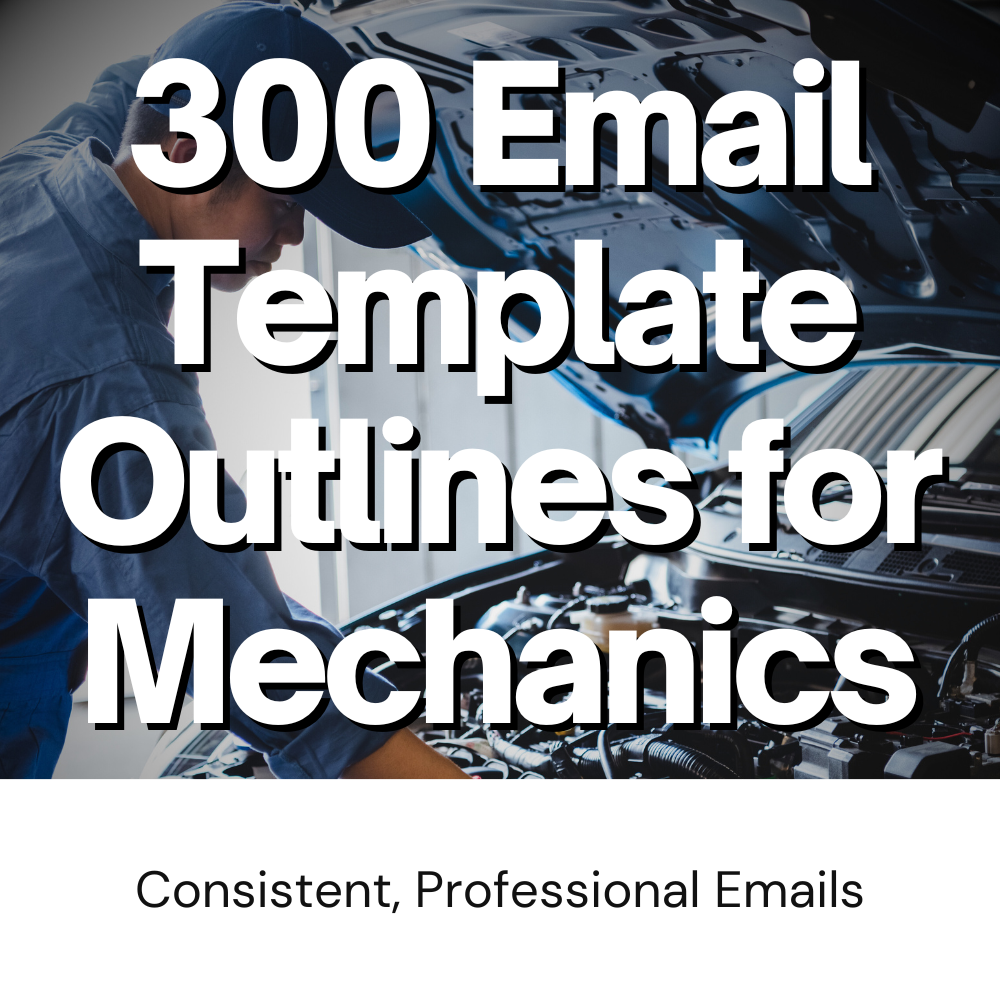
For an auto shop, this could mean referencing their car model, their last visit, or even the mileage intervals when they might need specific services. Imagine sending a customer an email that says, “Hi Alex, your Honda Accord is due for a tune-up soon!” That kind of message feels tailored and thoughtful.
When you personalize your emails, you’re not just promoting your services, you’re showing your customers that you actually understand them. And people remember that. I’ve seen open rates and engagement skyrocket just by including small personal touches, proving that it really pays to put in the extra effort.
Crafting Your Message
Whether you want to admit it or not, people’s inboxes are packed. If you want your email to stand out, you need to nail your message from the moment it pops up on their screen. It’s not just about looking professional, it’s about being intriguing, helpful, and worth their time. Here’s how to get it right:
Clear and Compelling Subject Lines
Think of your subject line as a handshake. It’s your first chance to grab someone’s attention and make them want to learn more.
A good subject line should be clear, concise, and, most importantly, interesting. Skip the vague, corporate-sounding phrases; go for something that feels personal or promises value. For example, instead of “We Have a New Offer,” try “Save 20% on Your Next Oil Change” or “Exclusive Tips to Keep Your [Car Model] Running Like New.”
I’ve learned that a great subject line isn’t about being overly clever but being direct and useful. When I see open rates jump after testing different options, it’s a reminder of how important those few words really are.
Valuable and Relevant Content
So they’ve opened your email. Now what? This is where the real work happens. Your content has to deliver on the promise of your subject line. Whether it’s a special promotion, a quick maintenance tip, or news about your shop, make sure it’s something your customers actually care about. Ask yourself: is this email solving a problem, answering a question, or giving them something they didn’t know they needed?
For example, if it’s wintertime, you might share a checklist of ways to winterize their car, complete with a discount for a seasonal tune-up. Or maybe you include a short video of your team explaining how to check tire pressure; it’s simple, helpful, and shows you care.
I’ve found that adding visuals, like high-quality images or videos, can make a huge difference in keeping people engaged. Nobody wants to read a wall of text, but a quick how-to video? That’s gold.
Remember, every email is a chance to build trust and show your customers that you’re more than just a business—you’re their partner in keeping their car on the road.


Timing and Frequency
When it comes to email marketing, timing is everything. You don’t want to catch someone at the wrong moment when your email will just end up buried or ignored. But there’s also a fine line: you want to stay on their radar without coming off as pushy. Here’s how to find that sweet spot:
Choose the Right Time
Sending your email at the right time can make or break your campaign. Ever notice how some emails seem to hit your inbox at just the right moment? That’s not luck, it’s strategy. Dive into your email engagement data to see when your audience is most active. Maybe your customers are busy fixing their own schedules on Monday but are more open to checking emails by mid-week. For many businesses, mid-week mornings work well, but your audience might have different habits. Don’t be afraid to test a few times and see what sticks.
When I started paying attention to timing, I noticed a big difference. Don’t guess; it’s about finding the rhythm that works for your customers. And when you hit that rhythm, the results speak for themselves.
Maintain Consistent Frequency
Now, here’s the tricky part: how often should you email? Too many, and people will hit “unsubscribe” faster than you can say “oil change.” Too few, and they’ll forget who you are altogether. Think about what makes sense for your shop. A monthly newsletter to stay connected is a great starting point. Sprinkle in occasional reminders, like a service due date, or exclusive offers for holidays. It’s all about staying in their minds without being overbearing.
I’ve learned that consistency builds trust. If your emails show up regularly and always deliver value, people will actually look forward to hearing from you.
Measuring Success and Optimizing
So, you’ve sent out your emails. Great! But how do you know if they’re working? Tracking and testing aren’t just for perfectionists, they’re how you make sure your efforts pay off.
Track Key Metrics
Numbers don’t lie. Keep an eye on metrics like open rates, click-through rates, and conversion rates. These are like little clues that tell you what your audience loves or what they’re ignoring. If your open rates are low, it might mean your subject lines need more punch. If clicks are low, maybe your call-to-action isn’t strong enough. And, of course, always watch unsubscribe rates. A sudden spike is a clear sign something went wrong.
When I first started tracking metrics, it felt overwhelming, but now it’s my favorite part. It’s like solving a puzzle. You get to figure out what works and then double down on it.
A/B Testing
Think of A/B testing as a way to experiment without risking everything. Test one element at a time, like two different subject lines or two variations of a call-to-action. For example, does “Book Your Appointment Today” work better than “Reserve Your Spot Now”? The insights you gain from these small tests can have a big impact on future campaigns.
A friend once told me, “Marketing is just educated trial and error.” They weren’t wrong.
Actionable Steps to Launch Your Email Campaign
Here’s where we put it all together. Follow these steps to launch email campaigns that are more than just messages; they’re tools to grow your business and strengthen customer relationships.
- Build and Segment Your Email List: Start by collecting email addresses (with permission, of course!) through your website, in-store sign-ups, or promotions. Then, organize your list based on customer info, like their vehicle type, service history, or even their location. This way, every email feels relevant.
- Define Your Campaign Goals: Ask yourself, “What’s the point of this email?” Whether it’s booking more appointments, promoting a seasonal offer, or just staying in touch, clear goals make everything else fall into place.
- Craft Personalized Content: Personalization is your secret weapon. Include their name, reference their car, and make the message feel like it’s just for them. People love when you remember the details, and it shows you’re paying attention.
- Design Visually Appealing Emails: Think about how your email looks. Use a clean, professional design that’s easy to read on both a laptop and a smartphone. Include eye-catching images and make your call-to-action buttons stand out.
- Schedule and Send: Timing is everything. Use email marketing tools to schedule your campaigns at times your audience is most likely to engage. Automation makes it easy to stay consistent without losing your mind.
- Measure and Analyze Results: After each campaign, dive into the data. What worked? What didn’t? Use metrics like open rates and click-through rates to get the full picture.
- Implement A/B Testing: Never stop experimenting. Whether it’s tweaking a subject line or trying a new layout, A/B testing helps you refine and improve over time.
- Iterate and Optimize: Don’t treat email marketing as “set it and forget it.” Use everything you’ve learned—metrics, feedback, testing—and make each campaign better than the last.
Final Thoughts
Email marketing is about building relationships. For auto shops, this means understanding your audience, delivering value in every email, and continuously improving your strategy. The beauty of email marketing is that it’s both personal and scalable, giving you the power to connect with your customers on a deeper level while growing your business.
If you’re consistent, thoughtful, and willing to adapt, email marketing can be a game-changer for your auto shop. And who knows? Those emails might just turn first-time customers into lifelong regulars.
 EN
EN  ES
ES